
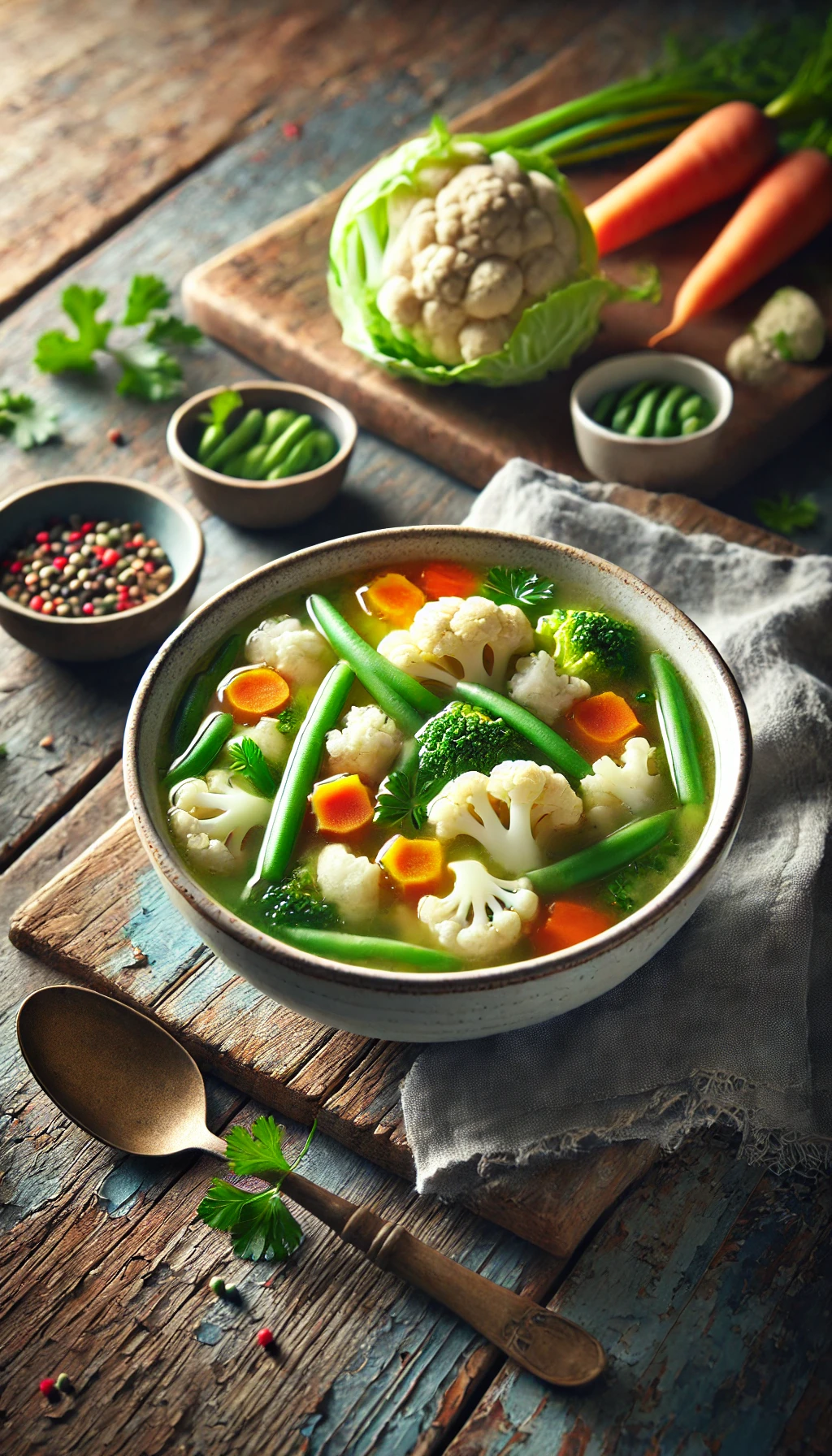
If you're looking to create wholesome meals while managing your potassium levels, low potassium soup recipes might be just what you need. These soups can be both satisfying and flavorful, featuring a variety of fresh vegetables and lean proteins. You might find that experimenting with different herbs and spices enhances the taste without adding excess potassium. But what specific ingredients can you use to ensure your soup is both nutritious and tasty? Let's explore some practical options and tips that will elevate your soup-making game.
History
The history of soup stretches back thousands of years, evolving from simple broths to the diverse array of flavors and ingredients we enjoy today.
Imagine our ancestors, tossing whatever they'd into a pot over a fire—probably a mix of vegetables, meats, and maybe even a few questionable herbs! Those humble beginnings laid the groundwork for what we now know as soup.
As times changed, so did soup's role. It became a staple in many cultures, adapting to local ingredients and dietary restrictions.
Whether you're going low-potassium or avoiding gluten, there's likely a soup out there for you!
And let's be honest: soup is one of the best comfort foods! I remember my grandma's chicken soup, which always seemed to cure a cold—no matter how dramatic I was about it!
The beauty of soup is its versatility; you can experiment endlessly with flavors and textures.
Recipe
When it comes to preparing a comforting meal that's gentle on potassium levels, a homemade soup can be the perfect solution. This low-potassium chicken soup isn't only easy to prepare but also packed with flavor and nutrition. By utilizing simple ingredients like chicken breast, carrots, celery, and aromatic herbs, you can create a delightful dish that warms the soul without exceeding potassium limits.
The beauty of this soup lies in its versatility. You can easily adjust the ingredients to suit your taste preferences or dietary needs. The combination of tender chicken and fresh vegetables makes for a satisfying and wholesome meal that can be enjoyed any time of the year. Whether served as a main dish or alongside a light salad, this soup is sure to become a staple in your kitchen.
Ingredients:
- 1 pound chicken breast, cubed
- 2 medium carrots, chopped
- 2 celery stalks, chopped
- 1 medium onion, diced
- 1 teaspoon dried thyme
- 4 cups water (or low-sodium chicken broth)
- Salt to taste (optional)
To prepare the soup, start by heating a large pot over medium heat. Add the diced onions and sauté them until they're translucent, approximately 3-4 minutes. Then, add the cubed chicken breast to the pot and cook until the chicken is lightly browned on all sides.
Pour in 4 cups of water (or low-sodium chicken broth) and bring the mixture to a boil. Once boiling, reduce the heat and add the chopped carrots, celery, and dried thyme. Allow the soup to simmer for about 20-25 minutes, or until the vegetables are tender and the chicken is cooked through.
Taste the soup and season with salt if desired, keeping in mind any dietary restrictions. For best results, ensure that your vegetables are cut into similar-sized pieces to promote even cooking.
If you're looking to switch things up, you can substitute the chicken for white fish or tofu, which also works well in this recipe. Additionally, using low-sodium chicken broth instead of water can enhance the flavor without significantly increasing potassium content.
Always consult with a healthcare professional or dietitian before making significant dietary changes, especially if you have specific health concerns or restrictions. Enjoy your nourishing bowl of low-potassium soup!
Cooking Steps
Alright, let's get cooking! First, you'll sauté those onions until they're nice and translucent—trust me, the smell will make you wonder why you don't do this more often!
Then, you'll add the chicken and brown it up before tossing in your veggies and thyme, and before you know it, you'll have a warm, tasty soup simmering away!
Step 1. Sauté Onions Until Translucent
Start by heating a splash of oil in a large pot over medium heat. You'll want just enough to coat the bottom, so don't go overboard!
Now, let's talk onions—oh, the glorious onion varieties! Whether you're using yellow, white, or even red onions, each adds its own unique flavor. Sauté techniques are where the magic happens, my friend! Toss those diced onions into the pot and give them a gentle stir.
As they heat up, you'll notice them start to soften and turn translucent. This is where the aroma fills your kitchen and makes you feel like a culinary wizard! Keep an eye on them; you don't want to burn them! If they start to sizzle too much, just lower the heat a bit.
After about five to seven minutes, your onions should be perfectly translucent—like little gems in your pot! It's amazing how something so simple can elevate your soup game.
Plus, it's a great way to sneak in those veggies! So, grab a spoon and get ready to add more ingredients to your masterpiece! You're one step closer to deliciousness!
Step 2. Add Chicken and Brown
With the onions now beautifully translucent, it's time to add the cubed chicken breast directly into the pot. This is where the magic happens! You can choose from various chicken varieties—like breast, thigh, or even a mix—depending on what you have handy. I once used leftover rotisserie chicken, and it turned out fantastic!
Now, let's get our browning techniques going! Toss the chicken in with those lovely onions, giving it a good stir. You want to coat all those cubes evenly.
As the chicken sizzles, you'll notice that delightful aroma filling your kitchen. It's like a warm hug, right? Cook it for about 5-7 minutes, or until those pieces are lightly browned.
Don't rush it—this step is crucial for flavor!
Step 3. Add Vegetables and Thyme
Now that the chicken is lightly browned and has soaked up those flavorful onion juices, it's time to bring in the vibrant vegetables and aromatic thyme. Grab those chopped carrots and celery, and toss them into the pot!
These veggie varieties not only add color but also pack in nutrients while keeping potassium levels low. Plus, you can't go wrong with a little crunch, right?
As you stir, sprinkle in some dried thyme. This herb isn't just for fancy dishes; it's got amazing herb benefits, like boosting your immune system! Seriously, who knew cooking could be a health boost too?
Don't worry if you're not a veggie expert—just remember to chop them into similar sizes so they cook evenly. I once made the mistake of tossing in huge chunks of carrot, and let's just say, I'd a "carrot surprise" moment later!
Feel free to get creative! You could swap in other low-potassium vegetables if you have a favorite.
Just imagine the delightful aroma filling your kitchen as you continue to stir everything together. It's the little moments like this that make cooking feel special!
Step 4. Simmer Until Cooked Through
Reducing the heat, let your soup simmer gently for 20-25 minutes. This is where the magic happens! As the mixture bubbles away, the flavors meld together, creating a deliciously comforting bowl of goodness.
Keep an eye on it, though—no one wants to turn their soup into a science experiment gone wrong!
During this simmering time, you can think about fun soup variations. Maybe toss in some low-potassium veggies like zucchini or bell peppers. They can add a pop of color and freshness!
Just remember your dietary considerations, especially if you're watching sodium too—so go easy on the salt.
After the timer dings, check that your chicken is cooked through, and the veggies are tender. You'll want everything to be just right, like a cozy hug in a bowl.
If you're feeling adventurous, you could even swap the chicken for white fish or tofu for a twist.
Just imagine slurping up that warm, flavorful soup, feeling good about your choices! Trust me, you'll be the soup superstar in no time.
Keep it simple, enjoy the process, and don't forget to share it with a friend!
Step 5. Adjust Seasoning to Taste
Once your soup has simmered and the chicken and veggies are perfectly tender, it's time to adjust the seasoning to your liking. This part's like the grand finale of a concert—exciting and full of potential! You might start with a sprinkle of salt, but remember to keep it low-sodium if that's your jam.
Now, here's where the magic happens: consider seasoning alternatives! Instead of just salt, why not try lemon juice or a dash of vinegar for a zesty flavor enhancement? Fresh herbs, like parsley or dill, can also bring a refreshing twist. You could even sneak in some garlic powder or onion powder for a savory kick without the extra potassium.
When you taste your soup, think about what it needs. Does it need a little more zing? A hint of warmth? Adjusting seasoning is all about finding that perfect balance.
And if you find yourself getting a little too adventurous, don't worry! I've been there, and sometimes you just end up with a soup that's a tad too salty. Just add a bit more water, and you're back on track!
Enjoy the journey of flavors—your taste buds will thank you!
Final Thoughts
Creating a delicious low-potassium soup can be a rewarding experience, especially when you discover how simple and satisfying it can be. Honestly, who knew you could whip up something so hearty without all the potassium drama?
You'll find that focusing on fresh veggies and proteins not only meets your dietary needs but also delivers nutritional benefits that'll make your taste buds dance!
Don't be afraid to get creative with ingredient substitutions! Swap chicken for white fish or tofu, and you've got a whole new flavor profile. It's like a culinary adventure, and you're the captain!
Just remember, chopping those veggies into similar sizes helps everything cook evenly—trust me, I've learned this the hard way!
And if you're feeling fancy, low-sodium chicken broth can really amp up the taste without the potassium overload. You might even impress your friends with your cooking prowess—who knew you could be a soup superstar?
Frequently Asked Questions
What Is Considered a Low-Potassium Diet?
A low-potassium diet limits high-potassium sources like bananas and potatoes. You'll focus on foods that fit your dietary restrictions while still enjoying innovative meals. Always consult a healthcare professional to tailor your approach effectively.
Can I Freeze Low-Potassium Soup?
Absolutely, you can freeze soup! For optimal soup storage, use airtight containers or freezer bags. Chill the soup first, then pour it in, leaving space for expansion. Thaw it overnight for a delightful meal later!
How Can I Enhance the Flavor Without Adding Potassium?
You can enhance flavor without adding potassium by experimenting with herb mixtures and flavor boosters like garlic powder, onion powder, or low-sodium seasoning blends. These innovative touches create depth while keeping your dish healthy and delicious.
Are There Low-Potassium Alternatives to Common Soup Ingredients?
When searching for low-potassium alternatives to common soup ingredients, consider using zucchini, cauliflower, or green beans. These vibrant choices enhance flavor, maintain nutrition, and keep your dishes exciting without compromising your dietary needs. Enjoy experimenting!
How Does Potassium Affect Kidney Health?
Potassium plays crucial roles in muscle function and fluid balance, but in kidney disease, excess potassium can lead to dangerous complications. You should monitor your intake to maintain optimal health and prevent potential issues.
Conclusion
So, there you have it—delicious low potassium soup recipes that won't leave you feeling deprived! Who knew managing your potassium could taste this good? Whether you're whipping up a cozy chicken soup or a veggie delight, each spoonful can be a warm hug in a bowl. Remember, cooking's all about experimenting, so don't be afraid to toss in your favorite flavors! So, what soup creation will you try first? Trust me, you won't regret it!